

PHP is a versatile and widely-used scripting language, but even seasoned developers might not be aware of some of its more obscure features. Here are some lesser-known tips and tricks to enhance your PHP coding experience.
1. Use of Null Coalescing Operator
The null coalescing operator (??) is a shorthand for a common pattern used to check if a variable is set and is not null.

This replaces the more verbose:

2. Array Destructuring
PHP 7.1 introduced a convenient way to destructure arrays, making it easier to assign array values to variables.
$data = ['Alina', 'Orel', 25];
[$firstName, $lastName, $age] = $data;
3. Trailing Commas in Arrays and Function Calls
Trailing commas can make your code cleaner and easier to maintain, especially when dealing with multi-line arrays or function arguments.
$array = [
    'one',
    'two',
    'three',
];

function example(
    $param1,
    $param2,
    $param3,
) {
    // function body
}
4. Anonymous Classes
PHP 7 introduced anonymous classes, which are useful for simple, one-off objects without the need to define a full class.

5. Spaceship Operator
The spaceship operator (<=>) is used for combined comparison. It returns -1, 0, or 1 when $a is respectively less than, equal to, or greater than $b.

6. Grouped Use Declarations
Grouped use declarations help clean up the code when importing multiple classes, functions, or constants from the same namespace.

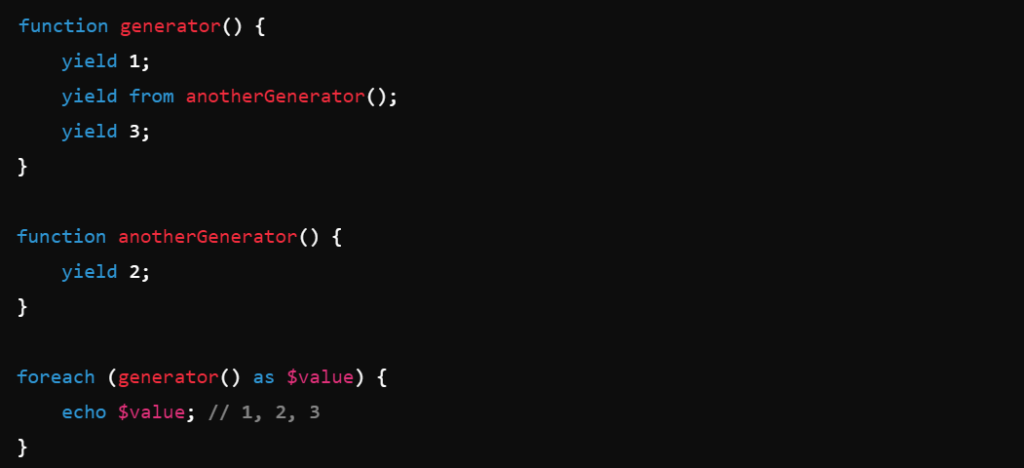
7. Generator Delegation
Generators in PHP can delegate part of their iteration to another generator with the yield from syntax.
8. Match Expression (PHP 8)
The match expression, introduced in PHP 8, is a more powerful and flexible alternative to the switch statement.
Example:
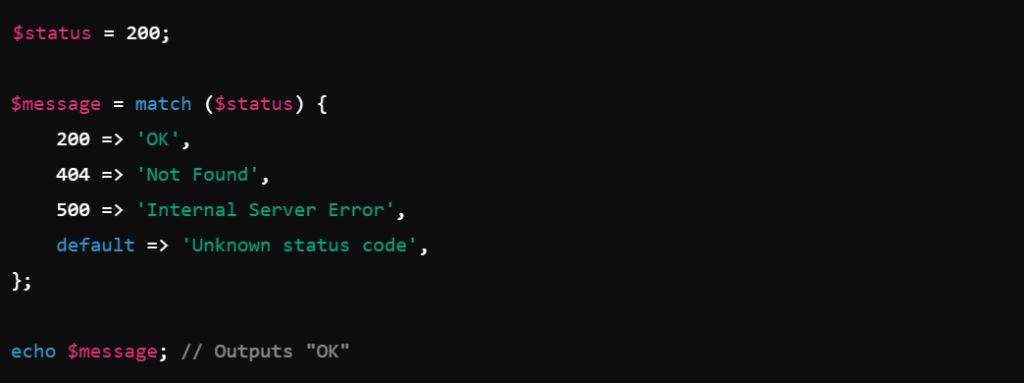
The match expression allows for more concise and expressive conditional logic.
9. Attribute Syntax (PHP 8)
Attributes, also known as annotations in other languages, allow you to add metadata to classes, methods, and properties.
Example:
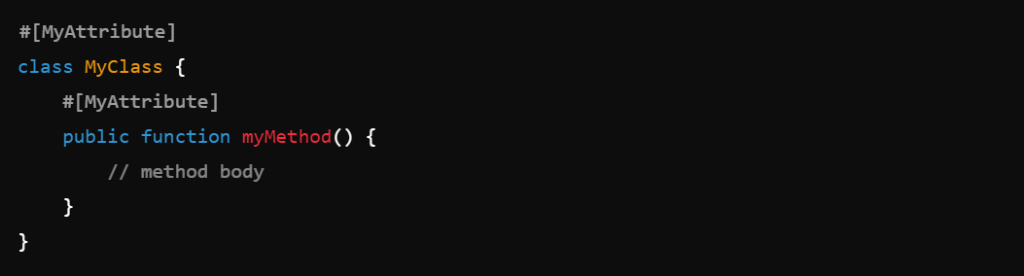
Attributes provide a structured way to associate metadata with PHP code elements, enabling more powerful frameworks and tools.
PHP continues to evolve, bringing new features and improvements that help developers write better, more efficient code. By leveraging these lesser-known tips and tricks, you can enhance your PHP development skills, making your applications more robust and maintainable. Keep exploring and experimenting with these features to fully harness the power of PHP.