portfolio

Emergency Security Response for Siyata7 and SiyatacellBooster

Rapid incident response, patching, forensic scan & recovery for two Magento stores under active exploitation

Intention: Immediate emergency triage, patch deployment, and full-stack forensic scan to stop active exploitation and restore secure operations for Siyata7 and SiyatacellBooster.
Technologies involved: Magento / Adobe Commerce, PHP, Redis session storage, MySQL, Cloudflare WAF, SSH, SFTP, security scanning tools (rkhunter, custom file scanners), and incident-response tooling.
People involved: 1 Project Manager, 1 Security Lead, 2 DevOps Engineers, 2 Full-Stack Developers, 1 QA/Forensics specialist.
Timeframe: Emergency response initiated in Oct 2025 — triage and patching completed within hours, full audit and hardening completed within 48 hours.
Challenges we faced during the incident

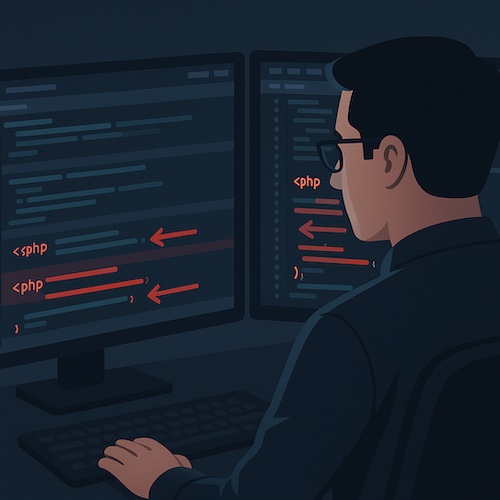
In mid-October 2025 both stores showed indicators of active exploitation tied to a session-handling vulnerability (SessionReaper, CVE-2025-54236). Symptoms included unexpected admin logins, new suspicious PHP files in upload folders, and anomalous Redis activity related to session data. The biggest immediate risks were admin session takeover and potential web-shell persistence—requiring urgent coordinated remediation.

The environment had mixed session storage (file + Redis) and multiple third-party extensions. Attackers exploited session handling to hijack active admin sessions; some stores contained suspicious uploader files and possible web-shells. Fast, safe action was required to avoid data loss and preserve uptime.

No single-step rollback was sufficient because the exploit abused live session tokens and persistent files — remediation needed both patching and careful file/credential rotation.

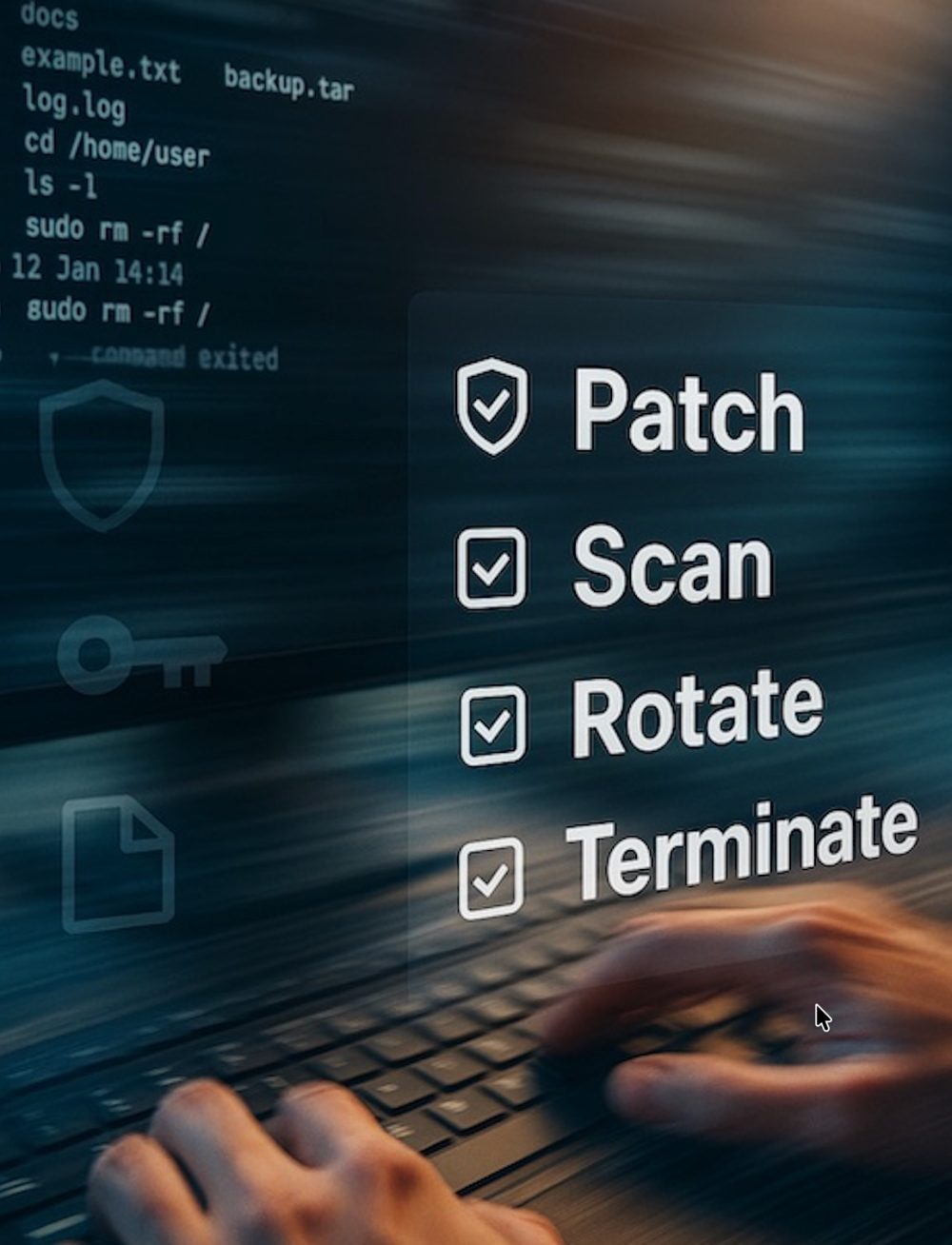
We executed a coordinated plan:
(1) apply Adobe/Magento emergency patch;
(2) run full recursive file scans for web-shells and known malicious indicators;
(3) revoke/rotate all admin/API/third-party credentials;
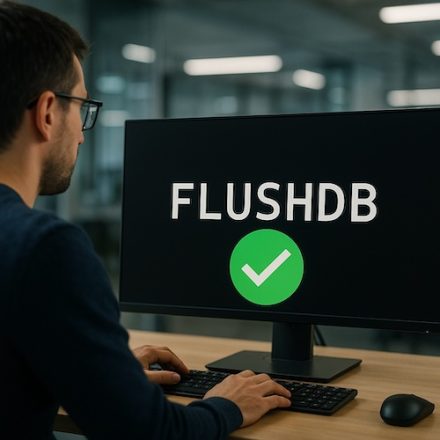
(4) expire all sessions (Redis flush / session DB rotate);
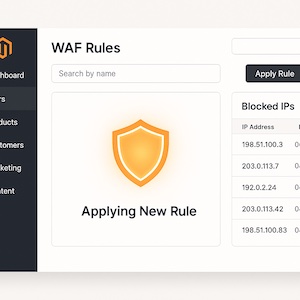
(5) apply WAF rules and temporary admin IP restrictions;
(6) perform a targeted forensic analysis and restore trusted artifacts where required.

Immediate actions & remediation steps

We prioritized safety and speed. First, we applied the official Adobe/Magento emergency patch across both stores in a maintenance window with real-time monitoring. Next, our team executed automated and manual scans to locate web-shells and suspicious files (upload folders, temp directories, and custom module folders). We forced logout for all accounts and rotated admin and API credentials, revoked compromised SSH keys, and rotated session storage where necessary (carefully flushing Redis sessions while preserving other data). We then hard-pinned WAF rules, blocked suspicious IP ranges, and added rate limiting and IP whitelisting for admin panels while the forensic scan progressed.

Key outcomes

Containment – Active exploitation stopped; web-shells removed where found and suspicious files quarantined
Credential safety – All admin/API/SSH keys rotated and compromised tokens revoked
Availability – Both storefronts remained online with minimal downtime during maintenance windows

Work performed

  • Credential revocation & rotation (admin, API tokens, SSH keys)
  • Temporary admin access restrictions and WAF tuning
  • Full post-incident audit and cleanup scripts for future automation
  • Emergency Adobe/Magento patch deployment
  • Recursive file and integrity scans plus manual forensics
  • Session storage audit and safe session invalidation (Redis/file/DB)

Impact on the clients

Thanks to the rapid response, both Siyata7 and SiyatacellBooster avoided extended downtime and customer data exposure. The stores remained available for customers, malicious persistence was removed, and the clients received a detailed incident report plus remediation recommendations to prevent recurrence. Our team automated recurring scans and added a playbook for similar incidents in the future.

Next steps & prevention

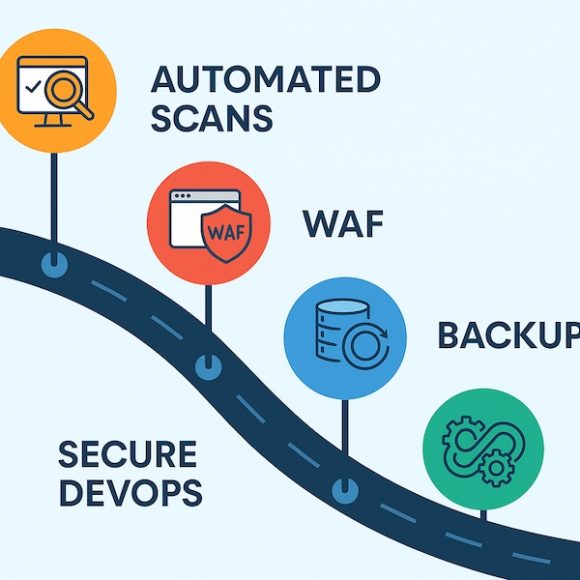
We delivered a prioritized roadmap: continuous automated scanning for web-shell signatures, scheduled credential rotation, hardened session management (move to secure handlers and signed cookies where possible), improved backup & restoration procedures, and periodic tabletop incident-response drills with the client. We also recommended stricter admin access policies and a dedicated incident notification channel to accelerate future responses.

Fast response = fewer losses

Acting quickly limited attack surface and prevented persistent compromise, protecting customers and revenue during the incident window.

Process improvement = long-term resilience

We converted this emergency into stronger controls: automated scans, improved session policies, and a runbook that shortens future response times.

Conclusion

Skynix's security-first response stopped active exploitation and restored secure operations for Siyata7 and SiyatacellBooster. The incident reinforced the importance of fast patching, credential hygiene, session security, and proactive monitoring. We're extending these protections to automation and client playbooks so future incidents are resolved even faster.
Circle icon
Circle icon
Circle icon
Circle icon
Circle icon
Circle icon
Circle icon
Circle icon
Circle icon
Circle icon
Circle icon
Circle icon

get in touch

EVEN IF YOU DON'T YET KNOW WHERE TO START WITH YOUR PROJECT - THIS IS THE PLACE

Drop us a few lines and we'll get back to you within one business day.

Thank you for your inquiry! Someone from our team will contact you shortly.
Where from have you heard about us?
Clutch
GoodFirms
Crunchbase
Googlesearch
LinkedIn
Facebook
Your option
I have read and accepted the Terms & Conditions and Privacy Policy
bracket icon
bracket icon
bracket icon
bracket icon
bracket icon
bracket icon
slash icon
slash icon
slash icon
slash icon
slash icon
slash icon
bracket icon
bracket icon
bracket icon
bracket icon
bracket icon
bracket icon