
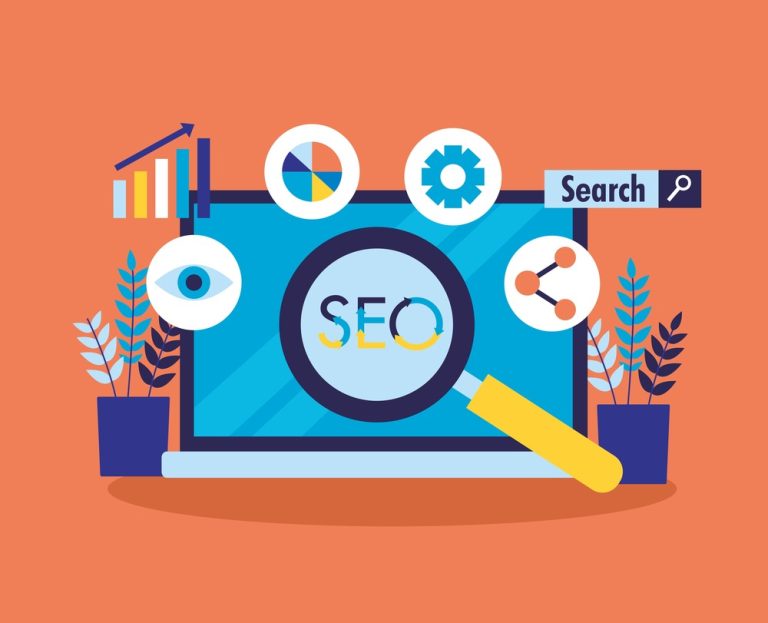
If your website isn’t generating enough leads, the issue often isn’t your product—it’s that search engines can’t “see” it properly. SEO is the process of fine-tuning your site so Google understands its true value and ranks it at the top for relevant search queries. It is a strategic process of technical optimization to drive consistent organic traffic.
1. The Technical Foundation: What Search Engines Really See
Search bots don’t crawl your site indefinitely; they operate on a limited “crawl budget.” If your site is bloated with technical debris, the bot will leave before it even indexes your most important pages.
- Core Web Vitals: Google evaluates site quality based on real-world user experience data. This includes content loading speed (LCP), visual stability (CLS), and responsiveness to interactions (INP). It is crucial to understand that PageSpeed scores are just a simulation, while Google uses CrUX (Chrome User Experience Report) data for ranking. A high test score doesn’t guarantee success if your site “lags” in real-world conditions—a trap we analyzed in our deep dive into the 95+ PageSpeed Myth. Furthermore, third-party plugins are often the primary culprit behind interaction delays, which critically damage your INP. We detailed this impact in our article on how plugins slow down INP.
- Crawl Budget and Clean Code: Excess scripts and unused styles “consume” the resources allocated for indexing. An abundance of third-party plugins often creates excessive overhead, which is why we advise comparing the convenience of ready-made solutions against the performance benefits of custom development in our guide: Custom Code vs. Plugins.
- Semantic Markup: To help Google understand exactly what you are selling or offering, your site must utilize structured data (Schema.org). This enables Google to display rich snippets, which significantly increase your search result click-through rate (CTR).
2. Content Structure
H1-H3 headers act as navigation for Google. They must be logical, contain target keywords, and clearly outline the topic. Google should understand your business model and the search intent your page addresses at a single glance. High-quality content optimization ensures your site’s relevance is clear.
3. User Behavior Signals
If a visitor closes your page instantly, Google reads this as a signal that the content doesn’t match the search intent. To capture attention, your site must provide the user with answers within the first few seconds. High interactivity and a clear content structure keep people on your site longer—directly signaling to search engines that your resource is valuable and encouraging them to boost your rankings.
SEO Audit Checklist:
- Technical Health: Does your site pass the Core Web Vitals assessment based on real user data?
- Content: Do your pages have a clear hierarchy with headings that align with actual user search queries?
- Indexing: Is your
sitemap.xmlproperly configured to ensure search engines receive updates immediately?
We will continue breaking down topics on SEO and site architecture in our upcoming posts—stay tuned for more insights.
Do you have questions about optimizing your project or need a technical audit? Reach out to us via our Chatbot or send a message on LinkedIn. We’re always here to discuss high-performance solutions for your business.