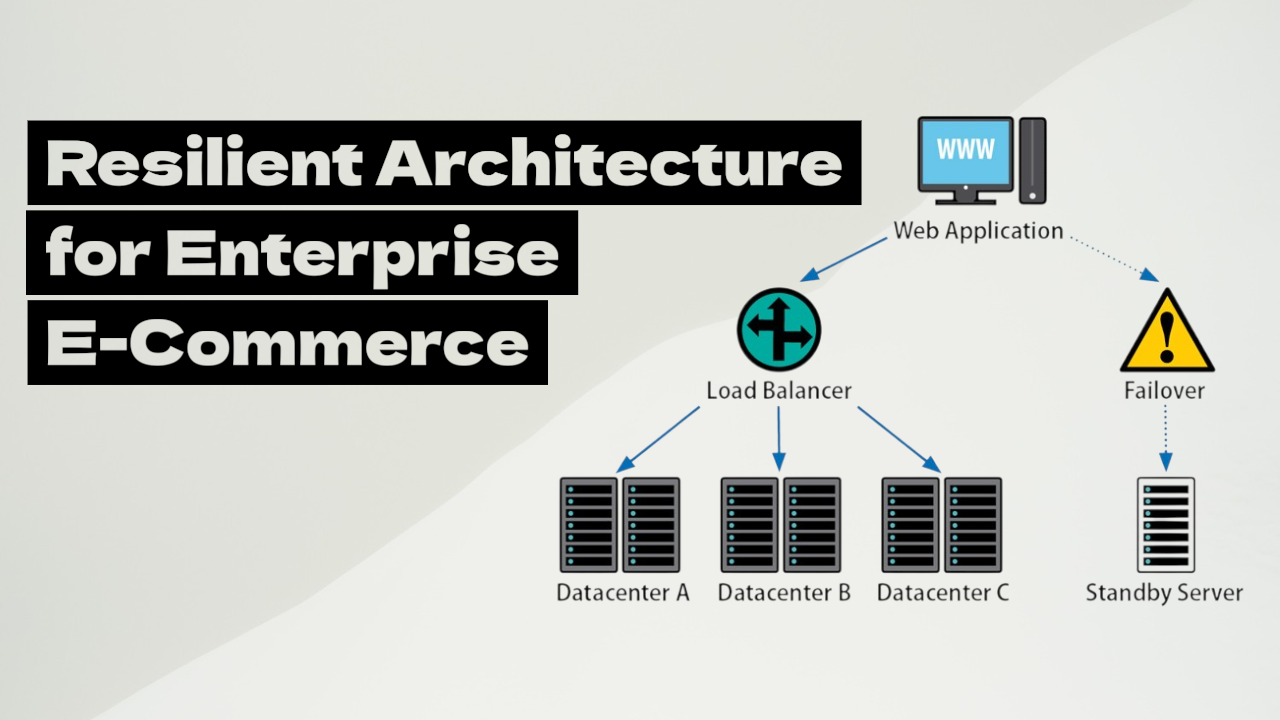


Imagine that your online store is a physical retail store downtown. You spent your budget on marketing, brought customers in, but at the entrance, there is a queue where consultants (your server) respond slowly to every single shopper. The result? The customer turns around and walks away to a competitor. All these invisible delays and conversion losses directly reflect the cost of technical debt and slow system performance, which accumulate due to outdated or unoptimized architecture.
In e-commerce, Nginx web server acts as these “consultants.” It is the front-line tier of your website, and if it is misconfigured, you lose money even before the user sees a product. Nginx performance tuning is the first step to making your store faster and more stable.
We have gathered the core technical points that turn your server into an efficient seller.
1. FastCGI Cache: Eliminating Delays (TTFB)
When a customer opens a product page, the server usually spends time generating the page via the database. This creates a delay known as Time to First Byte (TTFB).
- Business Perspective: FastCGI Cache allows the server to serve a pre-rendered copy of the page instantly. This saves resources and prevents the online store from crashing during heavy traffic spikes like Black Friday.
- Technical Side: Configuring
fastcgi_cacheturns dynamic pages into static content for the user, offloading the CPU. This lowers TTFB, which is critical for Core Web Vitals.
2. Brotli and HTTP/3: Mobile Speed Optimization
Most of your purchases today are made from smartphones. If a site loads slowly on a mobile connection, the user will just close the tab.
- Business Perspective: Using Brotli compression and HTTP/3 protocol means a customer on a subway with an unstable connection will load your store faster than your competitors’.
- Technical Side: Brotli compresses files more efficiently than Gzip, while HTTP/3 minimizes the impact of packet loss on connection speed. This boosts PageSpeed insights, directly influencing Google rankings.
3. Bot Protection: Preserving Resources for Real Users
Bots constantly scrape your prices or attempt credential stuffing, exhausting your server limits.
- Business Perspective: We limit the number of requests per IP (
limit_req) so your server serves real shoppers instead of automated systems generating artificial load. - Technical Side: This is an effective method to counter parasitic traffic and stabilize infrastructure performance.
4. SSL Handshake Optimization
Security is a standard. But a slow server “handshake” during connection eats up precious milliseconds.
- Business Perspective: Utilizing OCSP Stapling and Session Resumption allows returning customers to open the site instantaneously. Every millisecond counts toward a higher conversion rate optimization.
- Technical Side: Configuring
ssl_session_cacheandssl_staplingallows the reuse of previously established session parameters without a full handshake, and saves the browser from independently querying the certification authority (OCSP) to check certificate status.
5. Geo-Blocking: Filtering Out Unwanted Traffic at the GeoIP Level
- Business Perspective: If your e-commerce store targets a specific region (e.g., the US or Europe), traffic from other countries or specific data centers is often non-targeted or bot-driven. Blocking such requests saves server resources and protects your catalog from competitor price scraping.
- Technical Side: Integrating the GeoIP2 module in Nginx allows you to set rules that filter out requests geographically before they ever hit the heavy backend or database. This reduces CPU load and frees up bandwidth for real buyers.
Technical Audit: Where Are Your Performance Reserves Hiding?
If your infrastructure is running “as usual,” it doesn’t mean it’s running optimally. We recommend evaluating your configuration against the following parameters:
- Caching Efficiency (FastCGI Cache): How precisely are caching rules configured for dynamic content to minimize backend requests under high concurrent load?
- Protocol Stack: Is the potential of HTTP/3 fully realized to minimize RTT (Round Trip Time) under complex network conditions?
- L7 Attack & Bot Traffic Protection: Is the configured Rate Limiting flexible enough to drop automated traffic without creating false positives for real customers?
- TLS Optimization: Are SSL Handshake costs minimized, and is efficient session reuse (Session Resumption) ensured?
Need a System Infrastructure Audit?
If you feel that your web server performance has dropped, request a technical audit from Skynix. We will analyze your configuration, identify bottlenecks, and optimize your server for maximum speed and SEO performance. You can learn more about our capabilities in the DevOps section of Skynix’s development services page and send request right here.
And we are always in touch via our chat bot and LinkedIn!