
Infrastructure Modernization & Azure Cloud Migration with AI-Assisted Engineering
Transitioning a legacy healthcare ecosystem to a resilient, scalable Microsoft Azure environment. By integrating AI-assisted engineering, we reduced deployment time by 50% and ensured zero downtime for critical medical services.
Intention: To eliminate infrastructure bottlenecks, secure sensitive medical data, and build a scalable foundation for business growth.
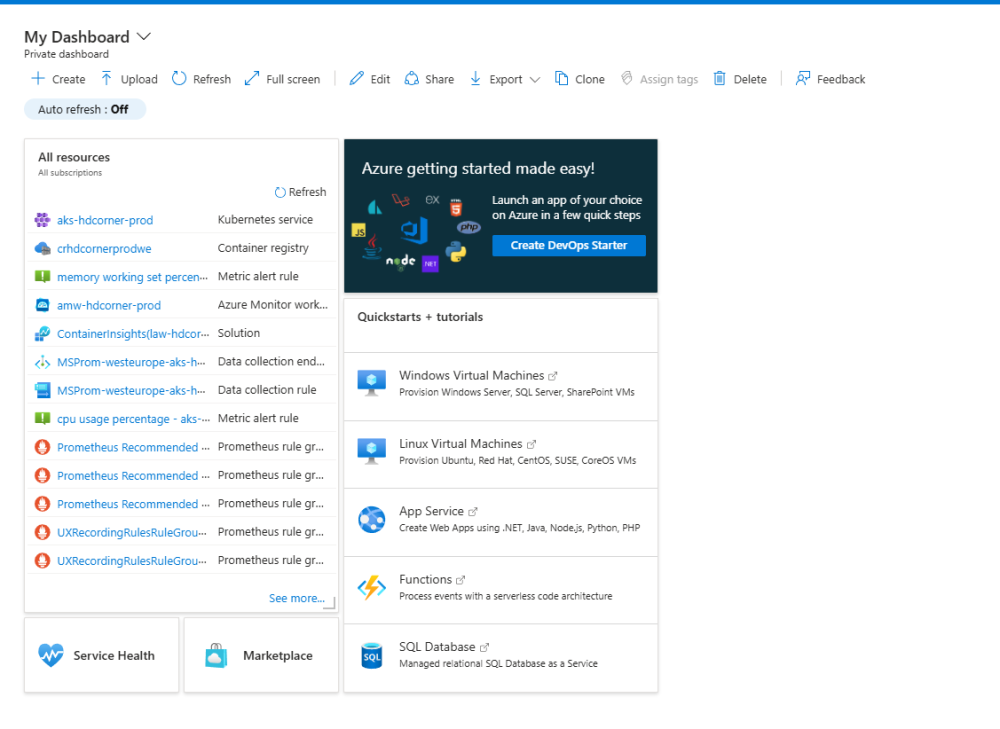
Technologies: Microsoft Azure (VNet, VM, Key Vault, ACR, Front Door), Docker, MongoDB Atlas, Redis, Uptime Kuma.
Business Impact: Migration completed in 8–10 days instead of the estimated 3 weeks, with zero post-release bugs.
AI Tooling: Gemini 1.5 Pro, GPT-4o, Claude 3.5 Sonnet (Architectural validation, KQL query engineering, and script automation).

Background & Challenges
The project involved a complex healthcare ecosystem, including a Patient PWA, HCP portals, and administrative panels integrated with global payment gateways. The system’s growth was stalled by a legacy single-server architecture that presented three critical risks:
- Scalability: The infrastructure could no longer handle increasing user traffic.
- Security: Handling sensitive medical records required a transition from manual environment management to a "Least Privilege" model.
- Stability: Routine updates were fragile, often leading to potential downtime and data integrity risks.

AI-Assisted Solution
We didn't just move files; we engineered a new environment using an AI-augmented strategy.
- Architectural Validation: We used LLMs to run architectural simulations, calculating optimal Azure instance types and network gateway configurations.
- Automated Security Migration: To move 50+ sensitive environment variables without human error, we generated and validated migration scripts using AI, centralizing everything in Azure Key Vault.
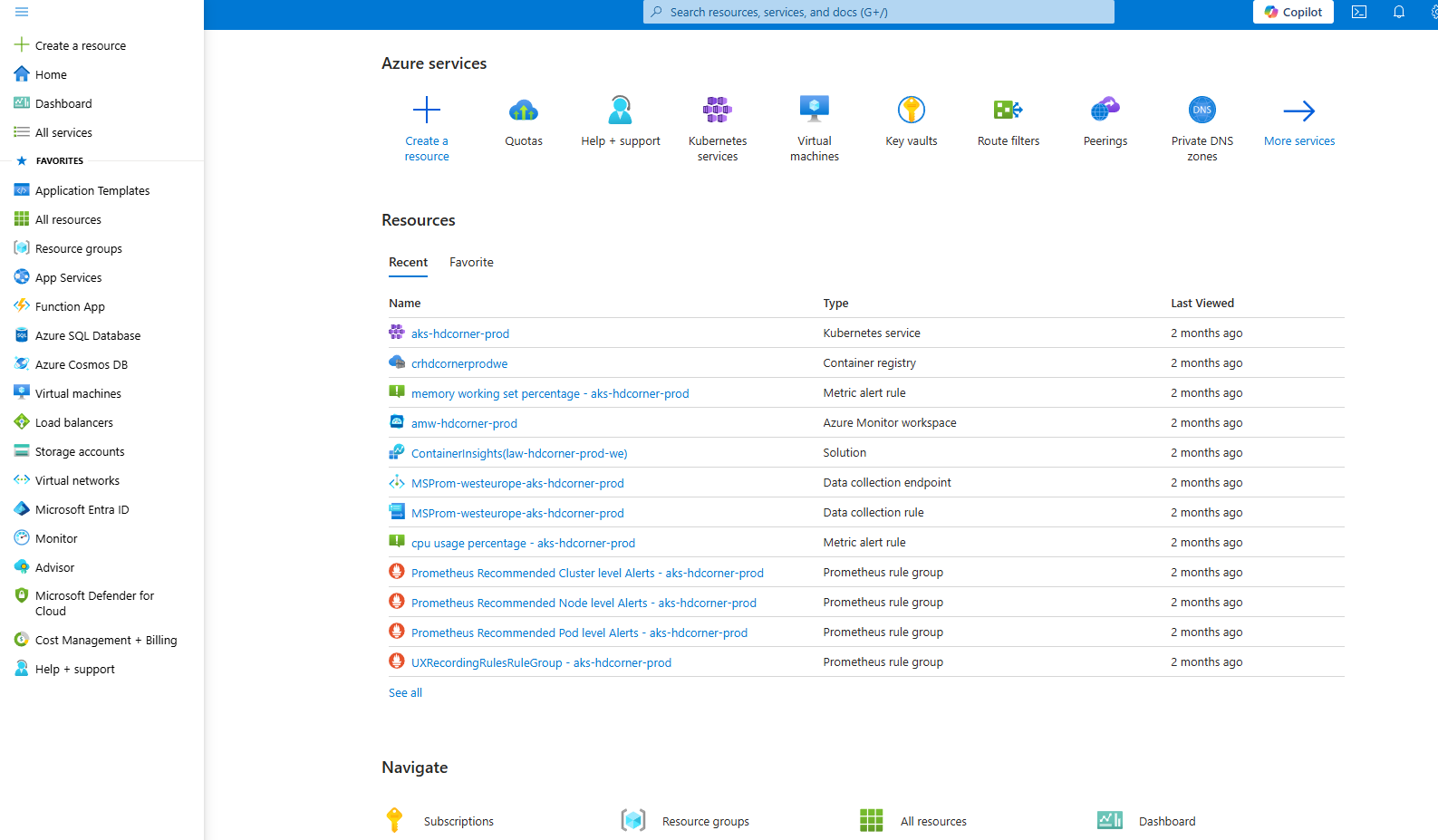
- Proactive Monitoring: We utilized AI to engineer custom Kusto Query Language (KQL) scripts for Log Analytics. This allowed us to filter noise and set up real-time alerts for critical Docker container errors.
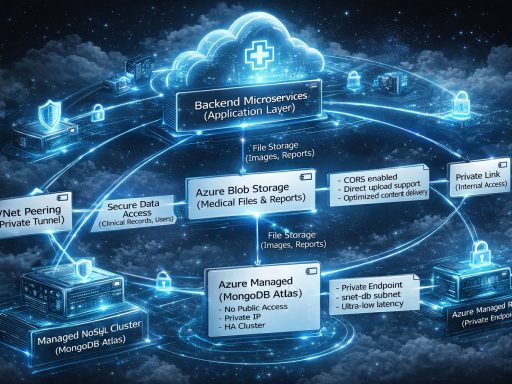
- Network Optimization: AI helped us evaluate and implement VNet Peering for MongoDB Atlas, ensuring the lowest possible latency for high-density traffic.
results
The Result
The migration was executed following a "Zero Downtime" strategy, ensuring uninterrupted access to healthcare services. By optimizing Azure Tier selection through AI-driven analysis, we provided the client with a high-level SLA and a resilient, self-healing "Pseudo-HA" system without unnecessary enterprise overhead. The result is a secure, future-proof infrastructure ready for global scaling.