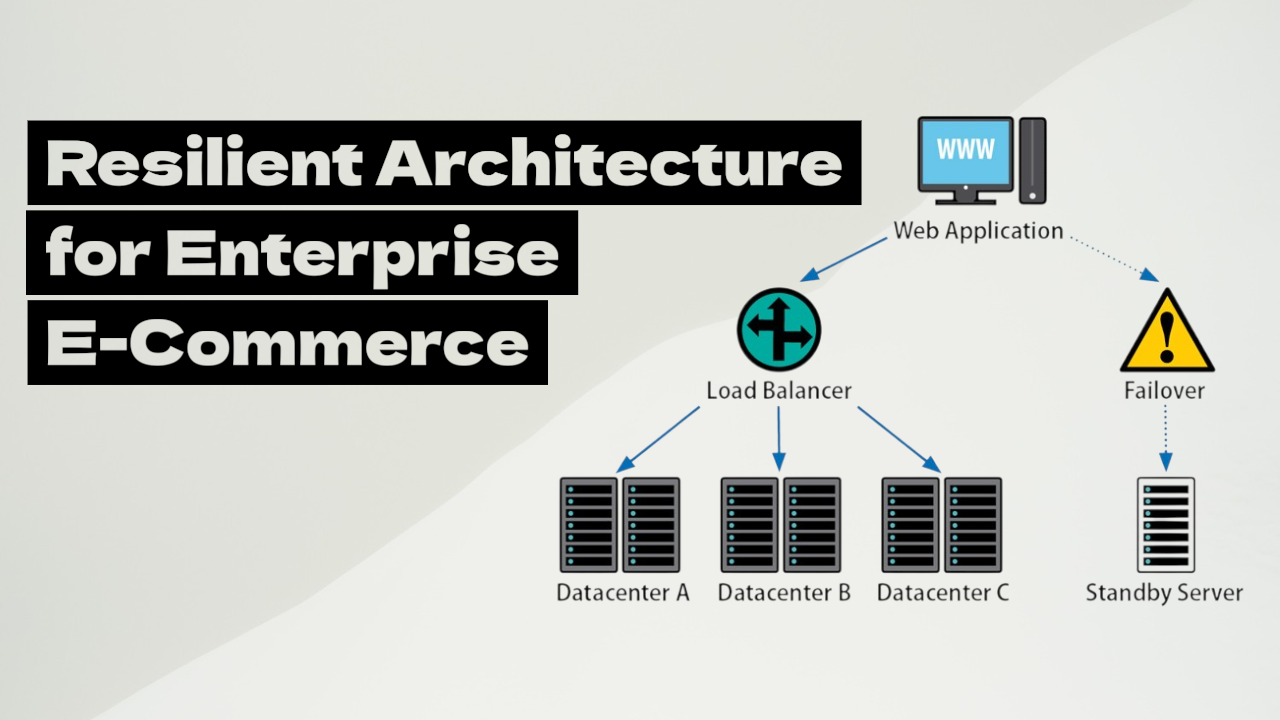


Picture this: your online store drops a massive promotional campaign. Traffic spikes instantly, and shoppers flood their carts. But instead of completing checkout, customers stare at a spinning loader while server CPUs drown under relentless database queries. You set up a popular in-memory cache, expecting lightning speed. Yet under high traffic volumes and massive product catalogs, a single caching layer breaks under pressure.
The real issue? A classic tool like Redis is powerful, but only handles one line of defense. When your e-commerce catalog expands to hundreds of thousands of SKUs and handles thousands of requests per second, a single caching setup becomes your newest server performance bottleneck.
How do you build a fault-tolerant web architecture that handles high traffic spikes, and why do senior DevOps engineers never rely on a single caching tool?
Where Do Server Resources Go?
According to the global Cloudflare Application Security and Performance Report, over 45% of web application latency stems from excessive dynamic backend requests hitting databases for repetitive queries.
Even ultra-fast Redis object caching faces bandwidth limits and Network Round-Trip Time (RTT) if forced to process every single click. When thousands of concurrent users hit the site, server memory fills up, and the database still gets hammered with redundant queries, ruining backend performance.
That is why cloud engineers rely on a multi-tier caching architecture, where each layer filters incoming web traffic long before it reaches critical backend infrastructure.
4 Layers of Modern Web Caching
To offload server load, we build a cascade of four defensive layers:
- CDN Caching (Content Delivery Network): Static assets (images, CSS styles, web fonts) serve directly from edge servers closest to the user via a Cloudflare CDN. The origin server remains completely untouched.
- Nginx FastCGI / Proxy Cache: As covered in our guide on Nginx optimization for e-commerce, this layer serves pre-rendered HTML pages directly from the web server, completely bypassing PHP execution and business logic.
- Object Cache (Redis / Memcached): Stores complex query results, page fragments, user sessions, and shopping carts. This acts as the internal shield for database optimization.
- Database Buffer Pool: Internal DBMS caching (like MySQL’s InnoDB Buffer Pool) that keeps frequently queried indexes directly in RAM.
The biggest headache in caching remains cache invalidation. According to enterprise architecture research in the InfoQ Architecture and Engineering Trends report, the hardest task isn’t storing data, but purging it correctly when prices or stock levels update—preventing overselling out-of-stock items.
How Multi-Tier Caching Works in Real Production
Imagine a chain where each system component validates incoming requests step-by-step.
First, the CDN intercepts the request. If it’s an image or a static asset, it returns instantly within milliseconds. If it’s a personalized catalog page, the request hits the Nginx Cache. If that cache is empty due to unique user filters, Redis steps in to deliver pre-calculated data fragments, bypassing heavy SQL queries to the primary database.
When this caching cascade is properly configured, infrastructure loads remain fully controlled. While unexpected spikes during flash sales can still occur, a robust high-load server architecture prevents downtime, allowing your engineering and project management teams to resolve tasks smoothly.
Want to test if your platform can handle high traffic spikes? Have questions about your web architecture? Message us in our chat bot or directly on LinkedIn to discuss your project!