Magento Multi-Store Implementation for Siyata7 & SD7 Devices
A scalable Magento multi-store architecture with unified backend, shared data, and localized storefronts — designed for streamlined management and effortless growth across multiple markets.

Challenges before multi-store migration

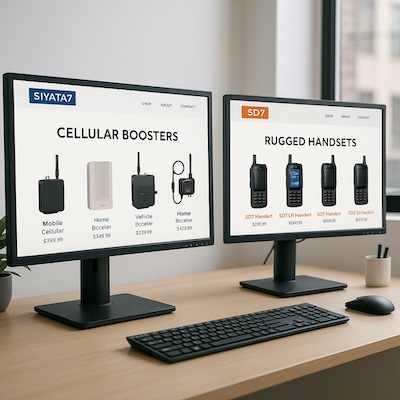
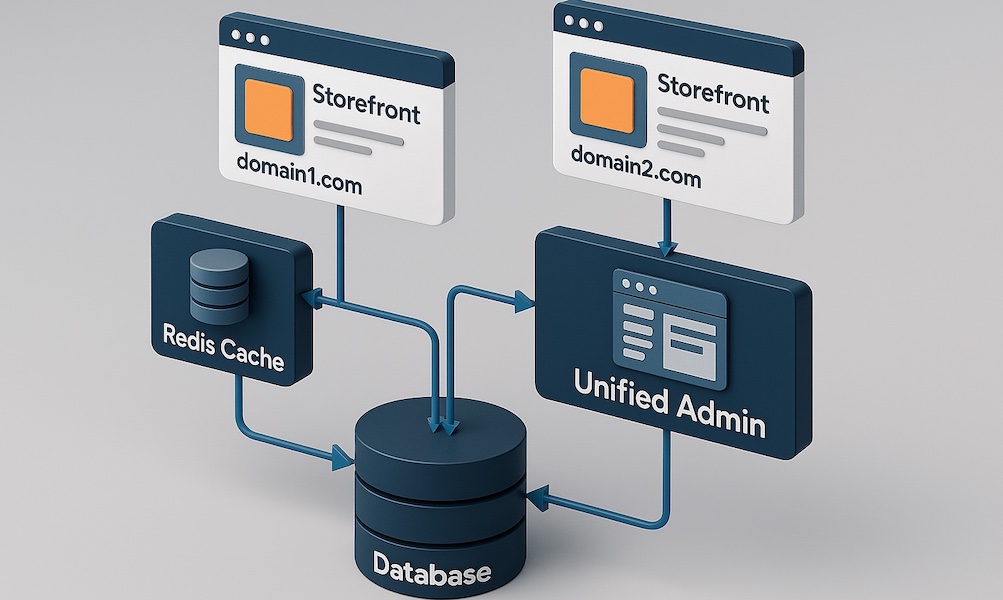
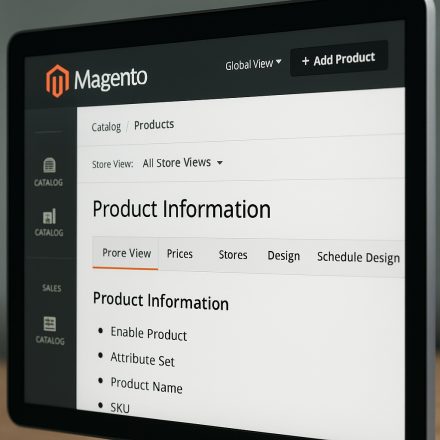
We analyzed the existing architecture and proposed a single Magento installation using Multi-Store configuration. This allowed shared backend logic, synchronized product data, and centralized analytics while maintaining distinct branding and checkout flows.
The approach eliminated redundant codebases and simplified DevOps — one deployment pipeline, one update policy, and shared monitoring.
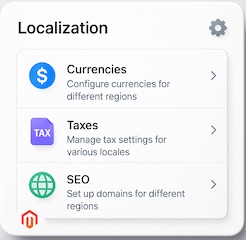
Our engineers implemented isolated store scopes for domains, taxes, currencies, and languages. Each storefront received its own design and catalog while customer and order data remained unified for reporting and CRM integration.
Implementation process
The implementation began with a deep analysis of both existing Magento environments to identify overlapping modules, extensions, and configuration conflicts. Our team then designed a unified data structure and consolidated two independent Magento databases into a single, scalable multi-store instance. Each product attribute, category, and CMS page was mapped into store-specific scopes to ensure that Siyata7 and SD7 retained their distinct branding and catalog separation while operating within the same backend.
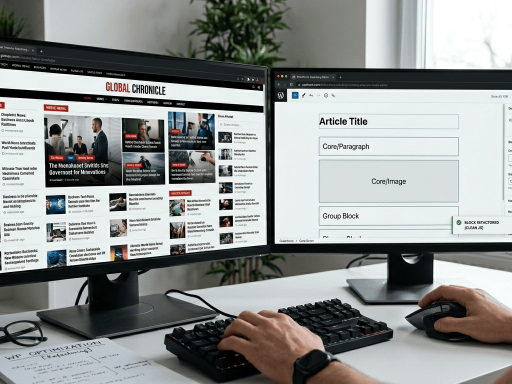
Next, we configured domain mapping, SSL certificates, and DNS records to link both storefronts under the new architecture. Currency conversion rules and regional tax logic were defined for U.S., E.U., and Canadian customers, allowing automatic price adaptation and compliance with regional regulations. Custom modules were fully refactored for multi-store compatibility — ensuring all promotions, checkout flows, and shipping methods worked seamlessly across stores.

Key outcomes

Work performed
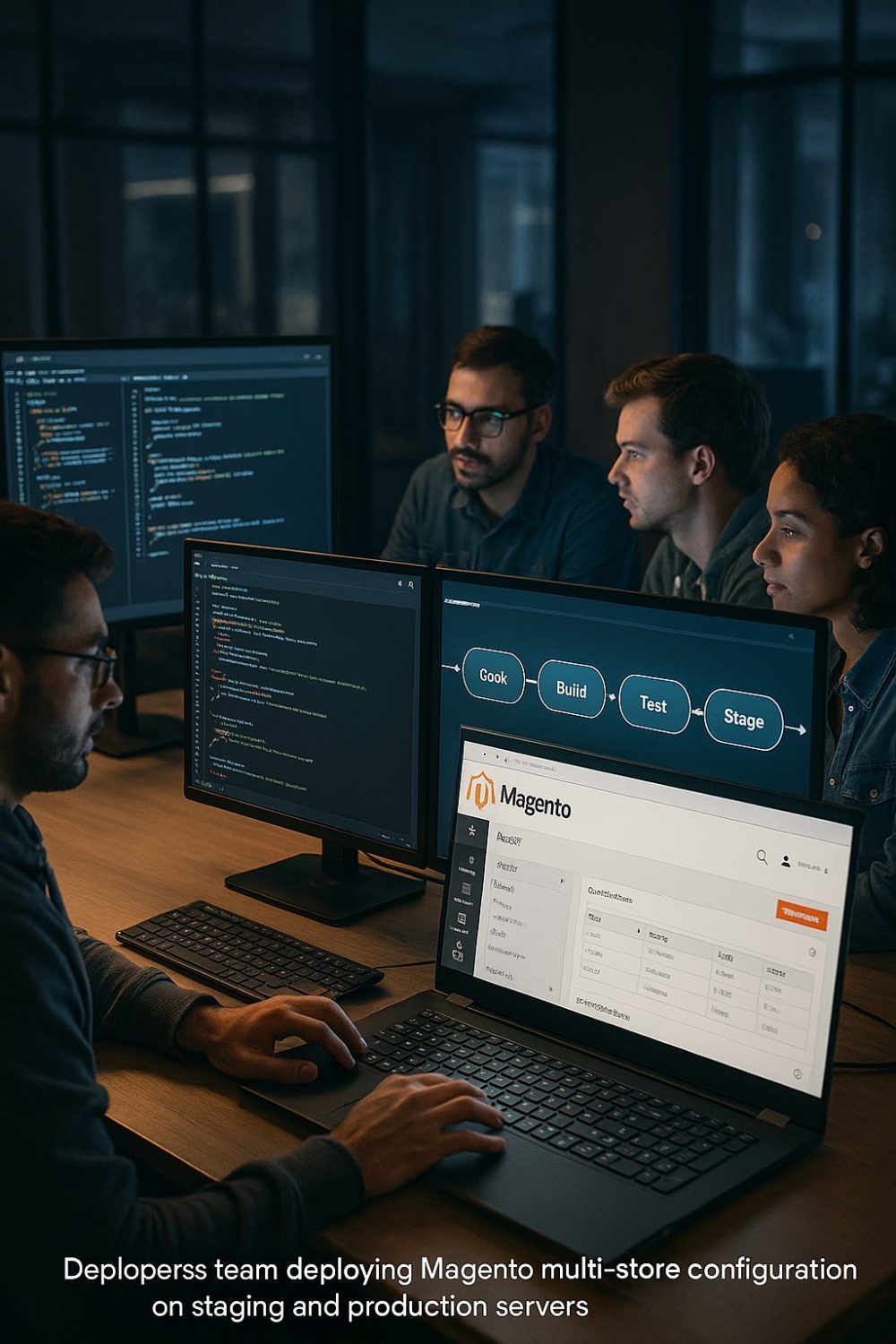
- CI/CD automation for updates across all stores
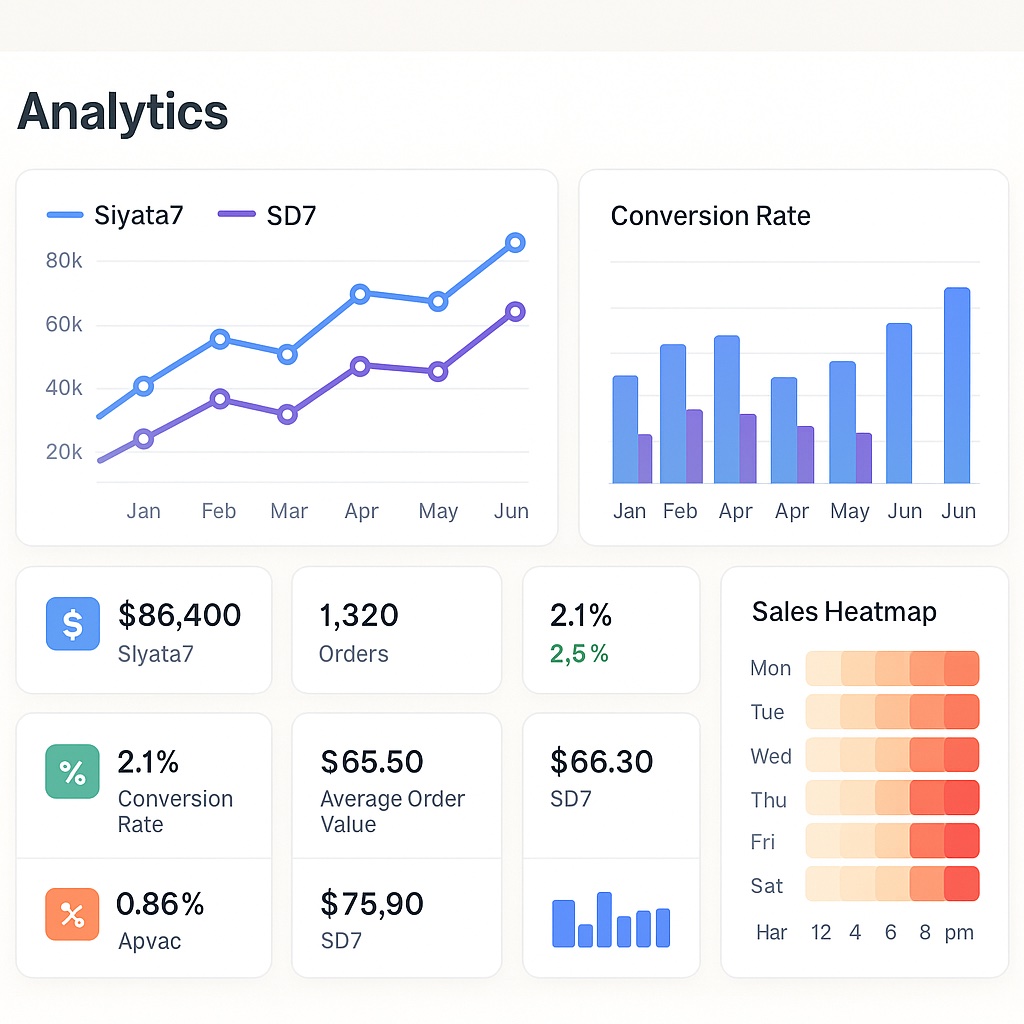
- Implementation of centralized analytics and SEO tracking
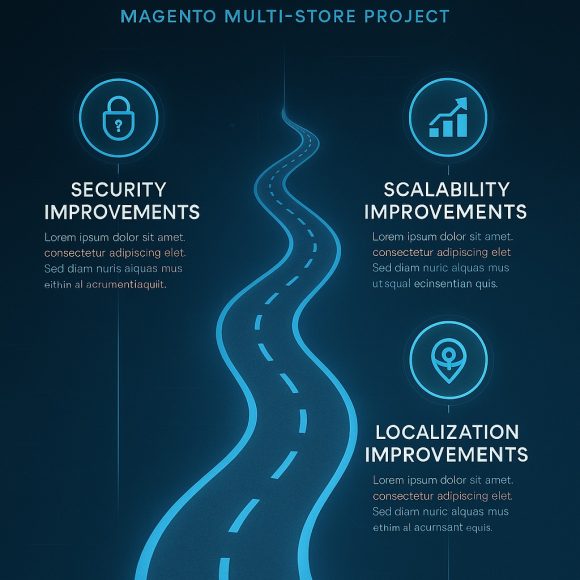
- Performance tuning and security hardening for global scalability
- Consolidation of two Magento databases into a unified multi-store instance
- Setup of store-specific domains, designs, and catalog configurations
- Integration of Redis caching and shared session management


Impact on the clients

Next steps & optimization
Centralized control = faster operations
Managing two brands from one admin panel saves hours of daily routine and ensures synchronized product and pricing data.
Scalable foundation = future growth
With multi-store Magento architecture, the client can easily launch new regions or product lines without additional infrastructure.
Conclusion