For years, developers have pointed fingers at PHP whenever performance issues cropped up. I’ve heard it countless times: “PHP is too slow. We need to rewrite in Node.js (or Go, or Rust).”
After optimizing a legacy e-commerce platform that was serving over 50,000 requests per minute, I can say with confidence: PHP isn’t your bottleneck. Your architecture is.
1. Introduction
The platform under review exhibited severe performance degradation, with the following baseline metrics:
- Average response time: 800ms
- 95th percentile latency: 2.1s
- Throughput: 340 requests/second
- Database load: ~847 queries/request
The engineering team initially proposed rewriting the application in Node.js. Instead, an architectural audit was performed to identify the true performance constraints.
2. System Audit
2.1 Architecture Overview (Initial State)

2.2 Identified Anti-Patterns
- Absence of a caching layer → repetitive database queries.
- Blocking file uploads → synchronous request degradation.
- N+1 query execution patterns → exponential query growth.
- No connection pooling → inefficient resource utilization.
3. Optimization Methodology
3.1 Caching Layer Implementation
Change: Redis introduced as a distributed caching layer.
Before:
Every product lookup generated a direct SQL query.

After:
Requests are routed through a Redis-backed cache with 300s TTL.

Result: Query latency reduced from 400ms → 45ms.
3.2 Asynchronous File Processing
Change: File upload and image manipulation migrated to background job workers.
Before (Blocking I/O):

After (Queued Processing):

Result: Upload endpoint reduced from 2.3s → 120ms.
3.3 Database Query Optimization
Change: Replaced N+1 query pattern with pre-joined queries.
Before:

After:

Result: Query count reduced from 847/req → 12/req.
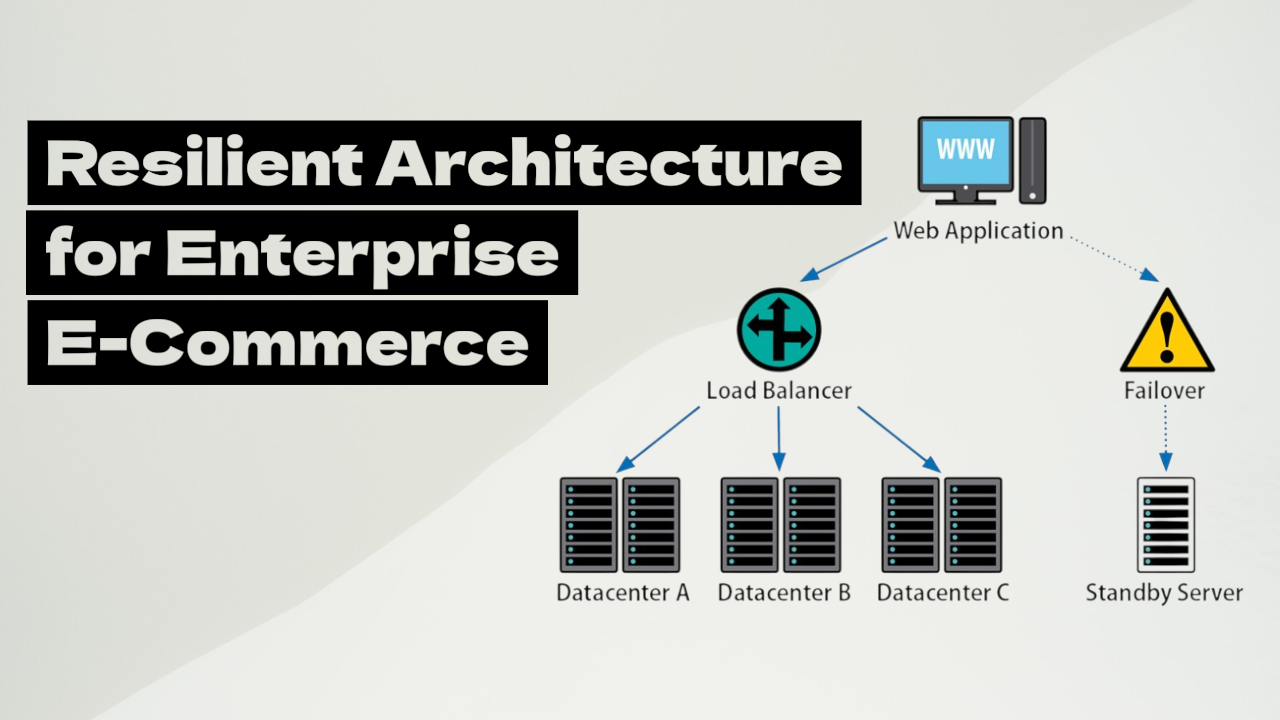
4. Optimized Architecture

5. Results

6. Conclusions
- Performance degradation in the observed system was not language-related but architecture-related.
- Introducing caching, asynchronous job processing, and query optimization yielded substantial improvements without altering business logic.
- Modern PHP (8.1+), when combined with OPcache, Redis, connection pooling, and optimized SQL, can efficiently handle enterprise-level traffic.
- The proposed rewrite in Node.js would not have addressed the core issues, as bottlenecks were primarily in I/O handling and database access patterns.
PHP remains a viable option for high-performance systems. Proper architectural design is the primary determinant of scalability—not the choice of programming language.
Just ask our experts🧑🏼💻