
Your ecommerce platform is the foundation of your digital storefront. It directly affects your site’s speed, design flexibility, scalability, and marketing capabilities. Picking the wrong tech stack can heavily limit your growth or result in a painful, costly migration down the road.
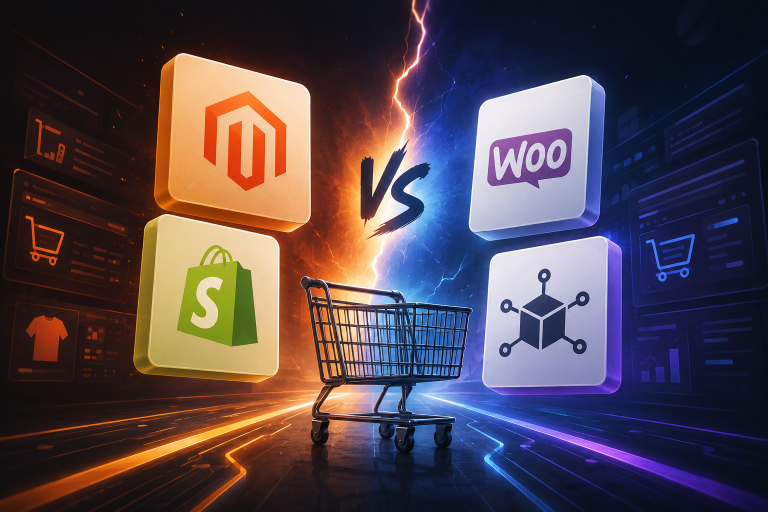
When comparing options like Magento, Shopify, WooCommerce, or Headless Commerce, how do you find the perfect fit?
1. Define Your Core Needs First
Before looking at features, analyze your business goals and technical setup:
- Budget: Consider setup fees, subscription plans, and hidden costs (hosting, extension renewals, and maintenance).
- Technical Control: Do you need a plug-and-play setup, or do your developers require full control over code architecture?
- Simplicity vs. Power: Are you looking for out-of-the-box convenience or highly sophisticated, custom workflows?
2. Match the Solution to Your Business Scale
- Solopreneurs & Small Brands: Platforms like Shopify or Wix offer a fast launch, low upfront costs, and managed hosting so you can start selling on day one.
- Growing Mid-Sized Businesses: WooCommerce provides excellent flexibility and cost-effective scalability, especially if you already use WordPress.
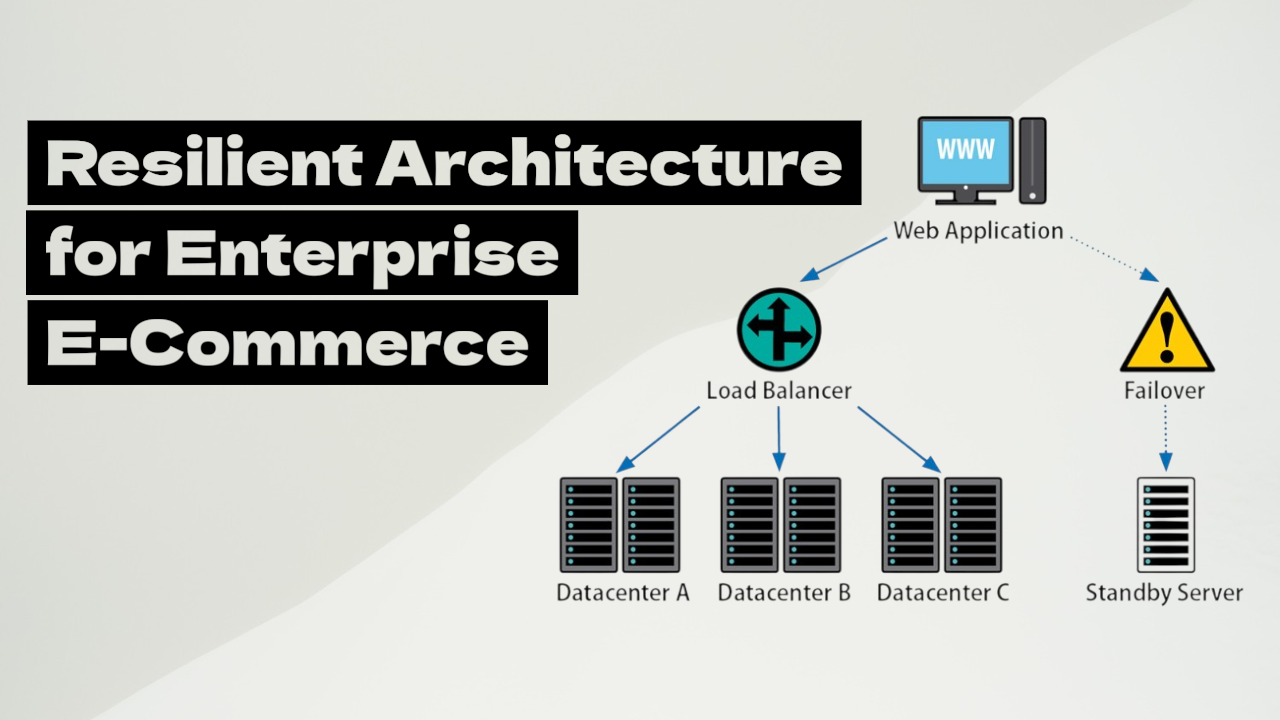
- Enterprise-Level Brands: Heavyweight systems like Magento Open Source or Headless setups offer ultimate control, massive product catalog capacity, and limitless integration potential for complex architectures.
The Verdict: Look for Fit, Not Trends
A smart software comparison isn’t about choosing the trendiest tool; it’s about matching your team’s skills, budget, and 2-year growth roadmap. Test out dashboards, run free trials, and see how easily you can manage catalog updates or checkout flows before committing.
Unsure which platform fits your specific workflows?
We love diving deep into backend architecture and custom ecommerce development. Let’s talk about your project — drop us a line in the chat bot at the bottom of this page, and let’s choose the tech stack that actually works for you!