
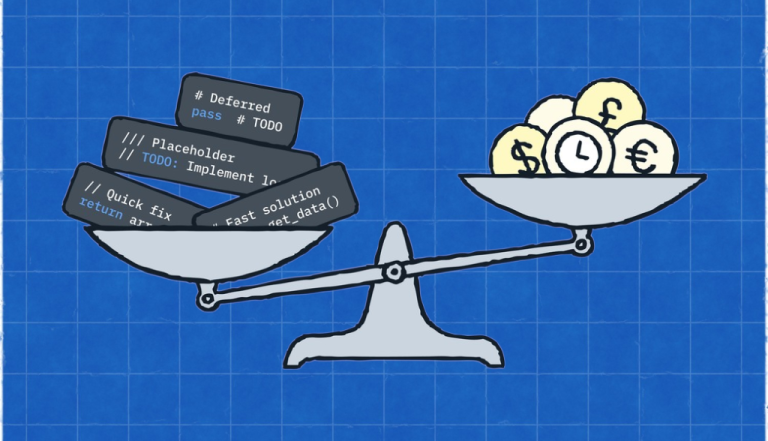
Technical debt is like a bank loan. You take it when you need to launch a feature “by yesterday” or cut development costs at launch. But when the “interest” (bugs and slow development speed) becomes too high, it starts eating away at your profit.
But is it always necessary to “pay off” the entire debt and rebuild the system from scratch? Let’s figure out where the line lies between rational economy and a fatal mistake.
What is technical debt in e-commerce?
It is the price you pay for shortcuts in your code. Typically, it looks like this:
- “Quick and dirty” fixes: temporary solutions that work for now but are difficult to scale.
- Outdated stack: technologies that have become sluggish over 5 years or pose security risks.
- Plugin clutter: dozens of third-party scripts that drastically reduce your website loading speed.
Three strategies for managing technical debt
We identify three approaches depending on your current business stage.
1. The “Keep it running” Strategy
This is an option where the code isn’t perfect, but it reliably generates revenue.
- When to choose: If your business logic is sound, your e-commerce conversion rate is satisfactory, and the “debt” does not affect critical processes.
- What to do: Perform regular code refactoring on small modules that put the most load on your servers.
2. The “Refactor in motion” Strategy
We rewrite the system in parts without stopping sales. It’s like replacing an engine on a plane while in flight.
- When to choose: When you plan to scale, but your current code is a bottleneck — every change triggers new bugs.
- What to do: Implement new architectural solutions alongside the old ones, gradually phasing out legacy software.
3. The “Rebuild” Strategy
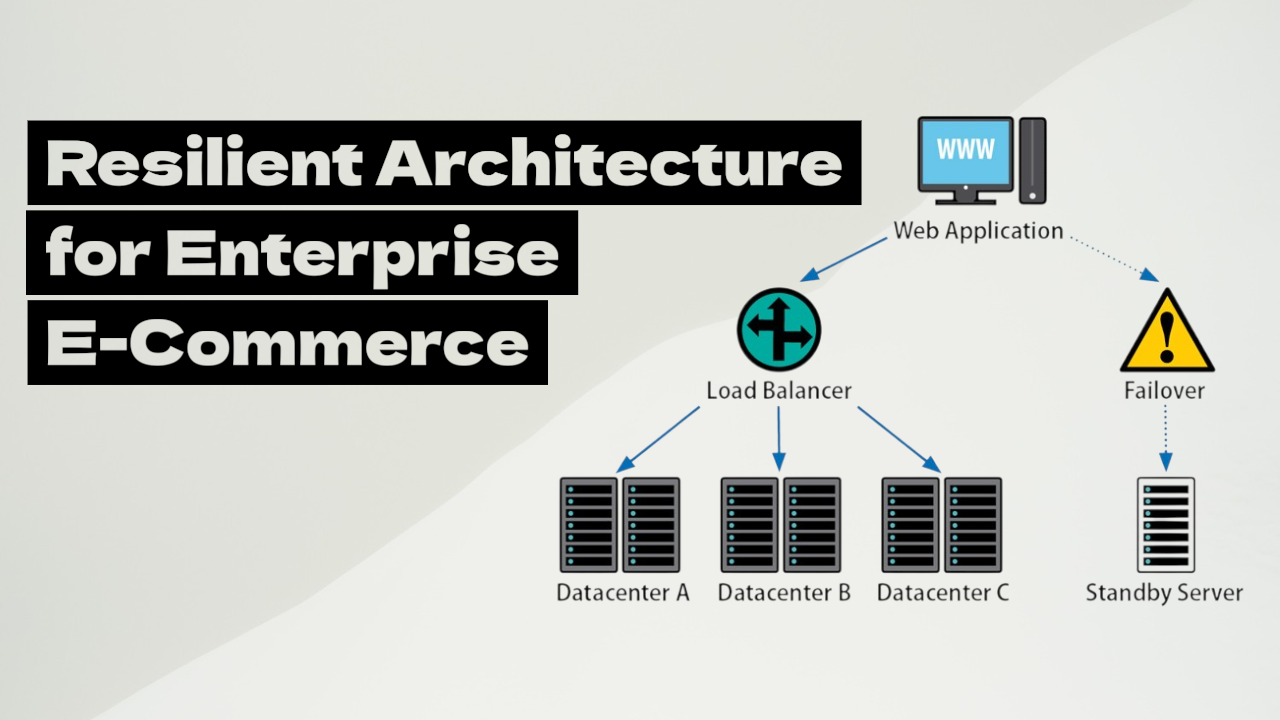
A radical move. We keep the database and customer data, but replace the entire architecture.
- When to choose: When the cost of maintaining technical debt exceeds the cost of developing a new system.
- What to do: A large-scale project that requires precise planning to avoid losing SEO rankings or disrupting sales.
How do you know it’s time to act?
- What is your Time-to-Market? If developing a simple button takes a week instead of a day, your debt is too expensive.
- How much are you losing due to bugs? If every release “breaks” another part of your store, it’s a clear signal to act.
- What is your conversion rate and loading speed? If customers are leaving due to sluggishness, performance optimization will pay off through increased sales.
Conclusion
Technical debt is a normal part of project development. The key is to notice the moment when the “interest” starts to hinder your business growth.
Usually, this debt prevents your site from running fast, even if you try to fix it with more plugins. We discuss how to distinguish real performance issues from chasing vanity metrics in our article series. Start with our breakdown of the myths surrounding 95+ PageSpeed to better understand how your store’s speed actually works.
💬 Need a technical audit of your project? Let’s take a look at your architecture and find the most efficient path forward. Message us in the chat-bot or reach out directly via LinkedIn.